The Indian design landscape is undergoing a sweeping transformation, with design skills becoming pivotal across IT startups, e-commerce firms, healthcare, and consumer goods sectors. In a fiercely competitive market, the ability to craft products and experiences that resonate with users is no longer a luxury but a necessity for success.
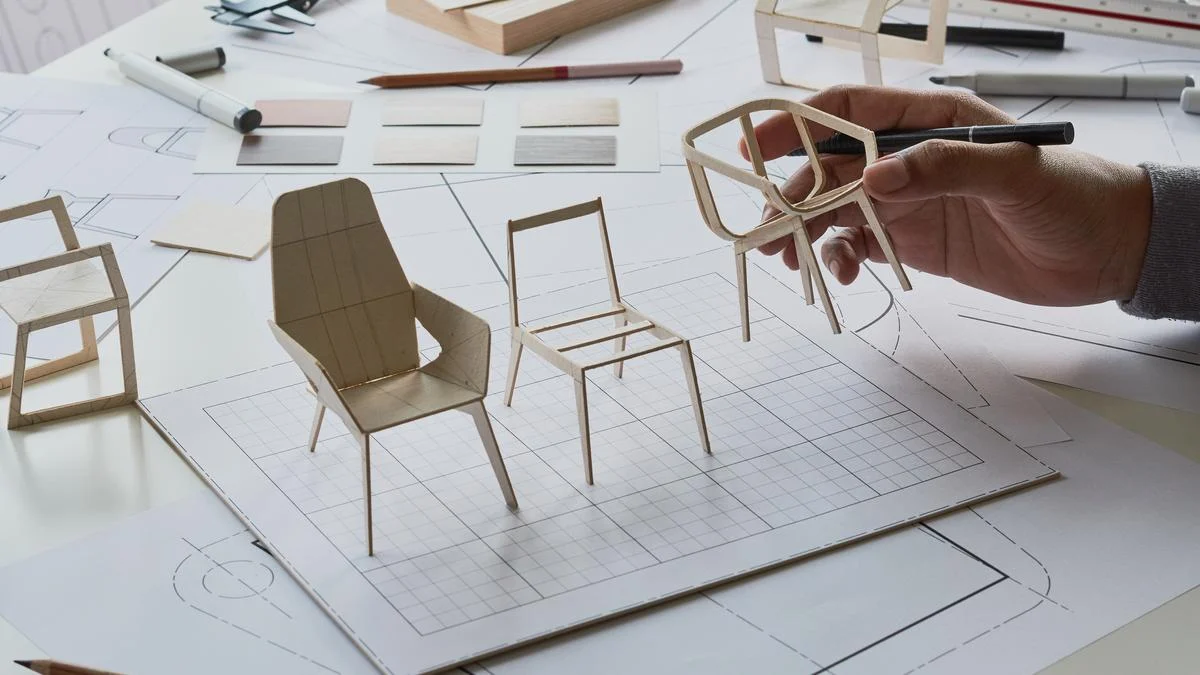
Product Design is defined as the process of creating products and experiences that meet user needs while balancing functionality, aesthetics, and usability. It encompasses research, ideation, prototyping, testing, and iterative improvements to deliver efficient and user-centered designs that withstand market scrutiny.
Today, Product Design is evolving beyond physical goods to include digital platforms, mobile apps, websites, and software services. The rapid rise of the digital economy has amplified its importance, prompting companies to obsess over design details to enhance customer satisfaction, boost engagement, and accelerate business growth.
What to study
Aspiring product designers should pursue a Bachelor’s programme in Design (B.Des.). Institutions offering B.Des. have expanded significantly, reflecting growing demand. The course provides a foundation in the design process, product development, material technology, manufacturing processes, and ergonomics. Advanced studies through Master’s and Doctoral programmes offer opportunities for specialisation and skill enhancement.
Designing products requires a blend of creative thinking, technical skills, and problem-solving abilities. Creativity distinguishes designers as they craft new forms and aesthetics while addressing user needs. Equally important are user research and product analysis, since decisions are steered by user experience insights, market dynamics, and business goals. Effective communication is essential for presenting designs to developers, marketers, and business leaders.
Career prospects
As the field’s scope expands, career options multiply. A product designer role often serves as an entry point, with progression to leadership positions such as Design Manager, Head of Design, and Product Manager. Some designers launch design consultancies or start-ups, pursuing entrepreneurship and independent practice as a path to influence and autonomy.
In India, the job outlook for product designers is robust. Opportunities span from toys and transportation to healthcare, home appliances, and digital products like mobile apps and websites. The integration of AI and digital technologies is further widening prospects and demanding higher levels of design maturity and strategic thinking.
For those seriously considering a career in Product Design, certain traits can indicate potential success:
- A fascination with design and a habit of sketching objects,
- A tendency to tinker at home and create things independently,
- People seeking your opinions on appliances or gadgets,
- A propensity to teach others how to use devices and ensure security,
- A habit of disassembling toys or products to understand their workings.
If you answer yes to these questions, a dedicated path in Product Design could be a suitable choice. The field rewards curiosity, hands-on experimentation, and a persistent drive to improve user experiences across diverse contexts.
The author of the article, serving as Director at an Institute of Design, highlights the evolving scope and practical pathways within this discipline. He notes that a structured design education, combined with real-world exposure, can position graduates to thrive in a digitally driven economy.
Effective product designers balance usability with aesthetics, ensuring that form supports function. They must translate user insights into tangible design strategies, while collaborating closely with engineers, marketers, and product teams to align with business objectives and delivery timelines. This collaborative aspect strengthens the role’s strategic value in any organization.
As industries continue to embrace digital transformation, the role of design becomes a strategic driver of innovation. Companies increasingly recognize that thoughtful design not only differentiates products but also fosters loyalty and long-term engagement. This shift elevates the importance of user-centric design thinking as a core competency for both emerging and established tech-driven enterprises.
For students and professionals seeking a clear entry point, the journey often begins with foundational studies in design, followed by practical experience through internships, projects, and collaborations. A combination of classroom learning and hands-on work helps develop the critical skills needed to navigate complex design challenges and evolving technologies in the marketplace.
Ultimately, Product Design offers a dynamic career path with substantial potential for growth, leadership, and entrepreneurship. Individuals who embrace continuous learning, cross-disciplinary collaboration, and a user-first mindset are best positioned to contribute to the future of product innovation and user experience across India’s diverse industries.