
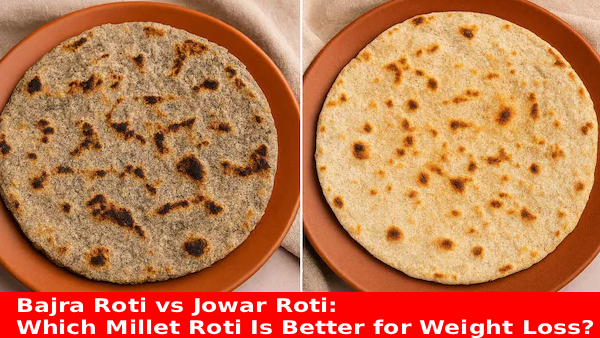
As millets regain popularity in India’s health-conscious kitchens, the debate around Bajra Roti vs Jowar Roti has intensified—especially among people aiming for weight loss. Both rotis are gluten-free, nutrient-dense and widely recommended by nutrition experts. But when it comes to managing weight effectively, which millet roti offers better benefits? Health experts weigh in on the nutritional differences and weight-loss potential of these traditional flatbreads.
Bajra Roti vs Jowar Roti: A Weight Loss Perspective
Millet-based diets are being increasingly promoted due to their high fibre content and low glycaemic index. According to nutritionist Rupali Datta, both bajra and jowar rotis help control hunger and maintain stable blood sugar levels—two key factors for weight management.
Health Benefits of Bajra Roti
Bajra Roti vs Jowar Roti: Why Bajra Is a Strong Contender
Bajra, also known as pearl millet, is often considered a powerhouse grain due to its dense nutritional profile.
1. High Fibre Content Enhances Satiety
Bajra roti is rich in dietary fibre, which slows digestion and keeps you full for longer. This reduces frequent snacking and calorie intake, making it ideal for weight loss diets.
2. Helps Maintain Stable Blood Sugar Levels
The complex carbohydrates in bajra release energy gradually, preventing sudden blood sugar spikes. Stable glucose levels help curb cravings and improve metabolic efficiency.
3. Rich in Essential Minerals
Bajra contains iron, magnesium and phosphorus, all of which play a role in energy metabolism. Magnesium also supports insulin sensitivity, which is essential for weight control.
4. Supports Heart Health
Studies published in the Journal of Food Science and Technology suggest that magnesium-rich millets like bajra may help reduce hypertension and improve cardiovascular health, indirectly supporting sustainable weight loss.
Health Benefits of Jowar Roti
Bajra Roti vs Jowar Roti: Why Jowar Is Equally Important
Jowar, or sorghum, is another traditional millet gaining attention for its light texture and antioxidant properties.
1. Gluten-Free and Easy to Digest
Jowar roti is gentle on the stomach, making it suitable for people with digestive sensitivities. A healthy digestive system improves nutrient absorption and supports metabolism.
2. Rich in Antioxidants
According to the National Institutes of Health (NIH), jowar contains polyphenols that reduce oxidative stress. Lower oxidative stress helps improve metabolic health and calorie burning.
3. Good Source of Plant-Based Protein
Protein helps build muscle and increases satiety. Jowar roti offers a moderate protein content, which supports appetite control and prevents overeating.
4. Helps Regulate Cholesterol
The soluble fibre in jowar helps lower bad cholesterol (LDL), supporting heart health and fat metabolism—key components of long-term weight management.
Bajra Roti vs Jowar Roti: Which One Should You Choose?
When comparing Bajra Roti vs Jowar Roti for weight loss, experts suggest that both are effective when consumed in moderation. Bajra roti may offer slightly better satiety due to higher mineral and protein content, while jowar roti is lighter and easier to digest.
Nutritionists recommend alternating between the two to enjoy a balanced intake of fibre, antioxidants and essential minerals while avoiding dietary monotony.
Conclusion
The debate around Bajra Roti vs Jowar Roti does not have a single winner. Both rotis support weight loss, improve digestion and promote metabolic health. The best choice depends on individual digestion, lifestyle and dietary preferences. Including both in a balanced diet can help achieve sustainable weight loss while enjoying the benefits of India’s traditional supergrains.











1 thought on “Bajra Roti vs Jowar Roti: Which Millet Roti Is Better for Weight Loss?”
So I checked out dagadonc1. It’s got a certain… vibe. Give it a chance if you’re looking for something different. My take: dagadonc1.